What exactly is Kobido and when does it deliver the best results?
Kobido is often marketed as a natural facelift, but the more useful question is whether this massage is suitable for your face and what you can realistically expect from it.
What does Kobido massage involve?
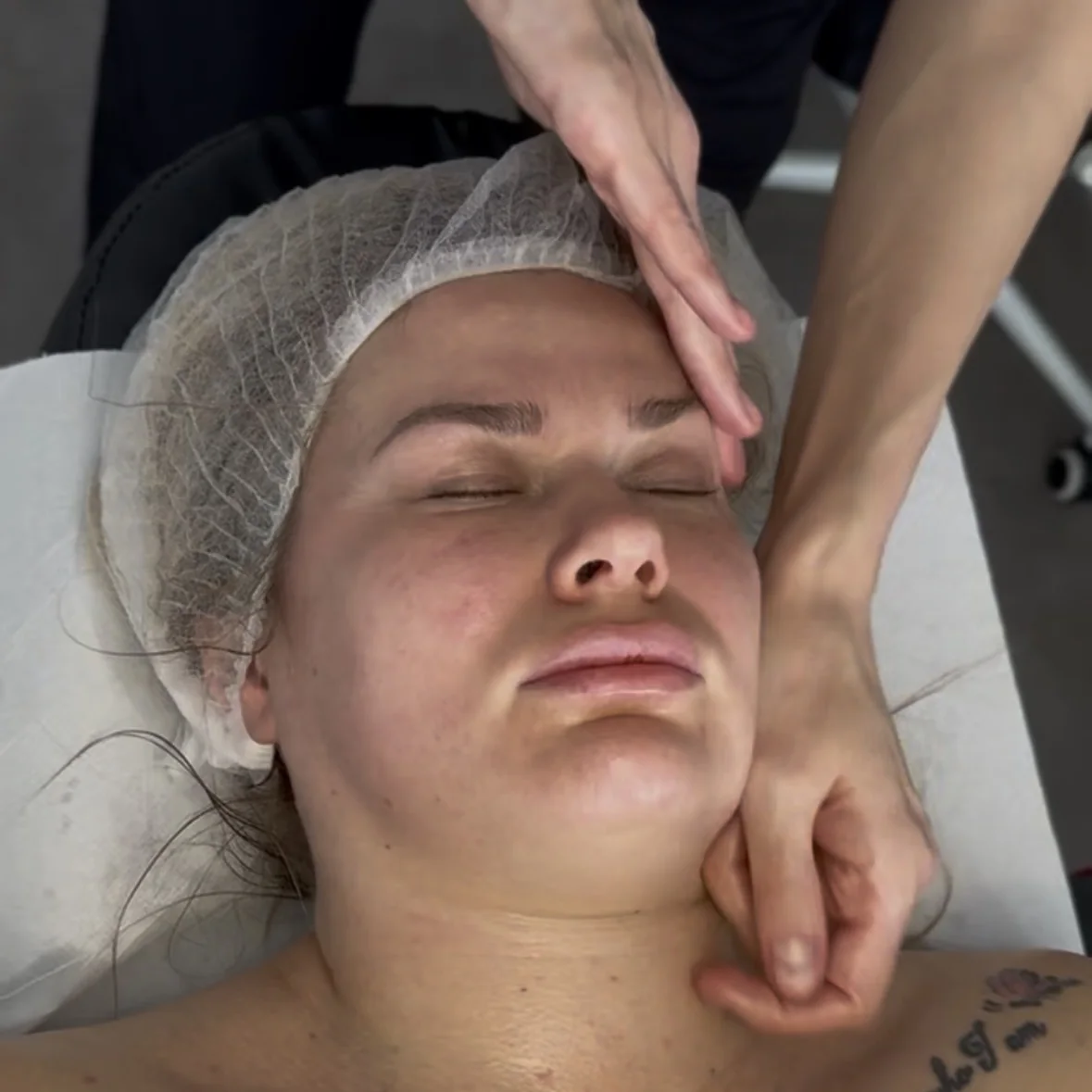
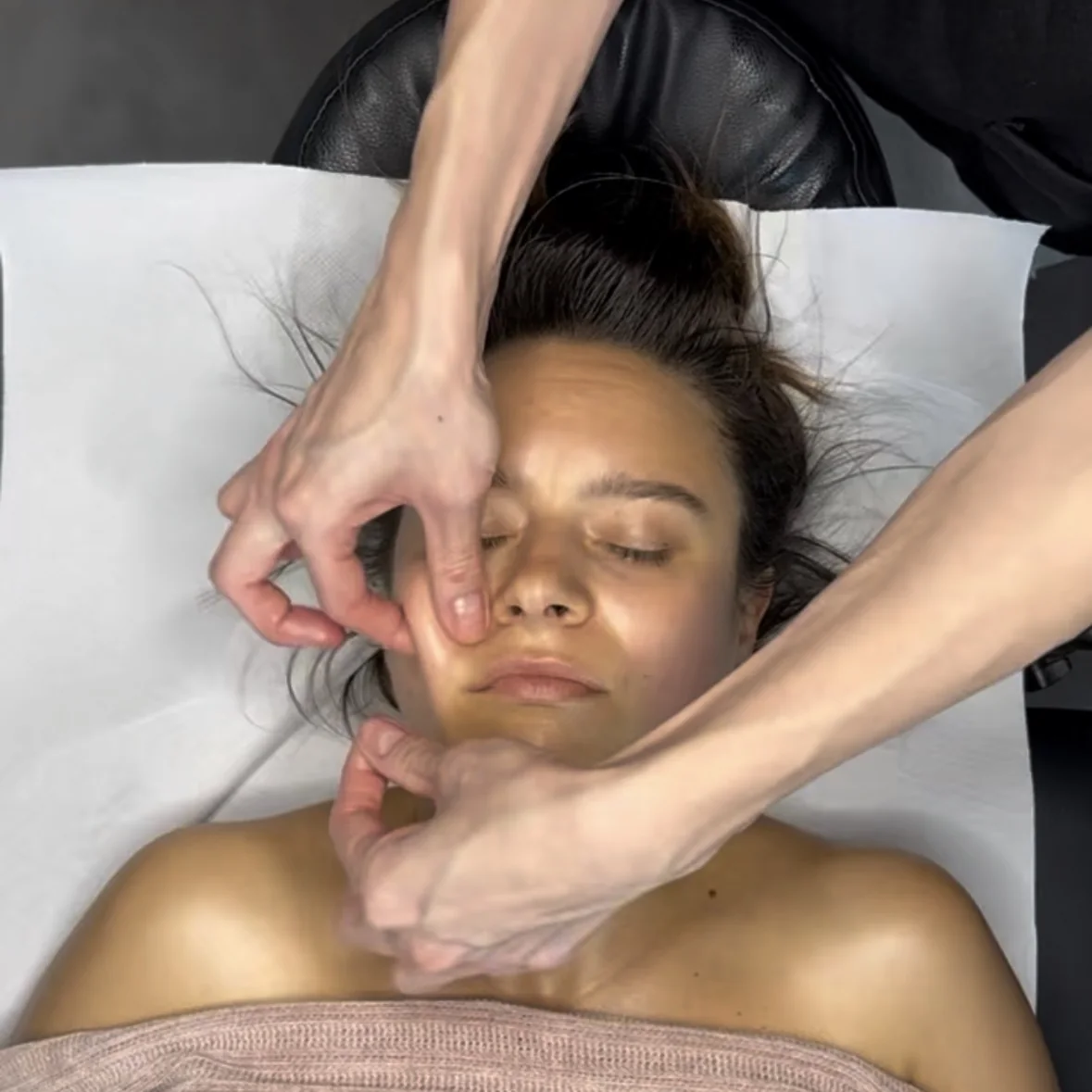
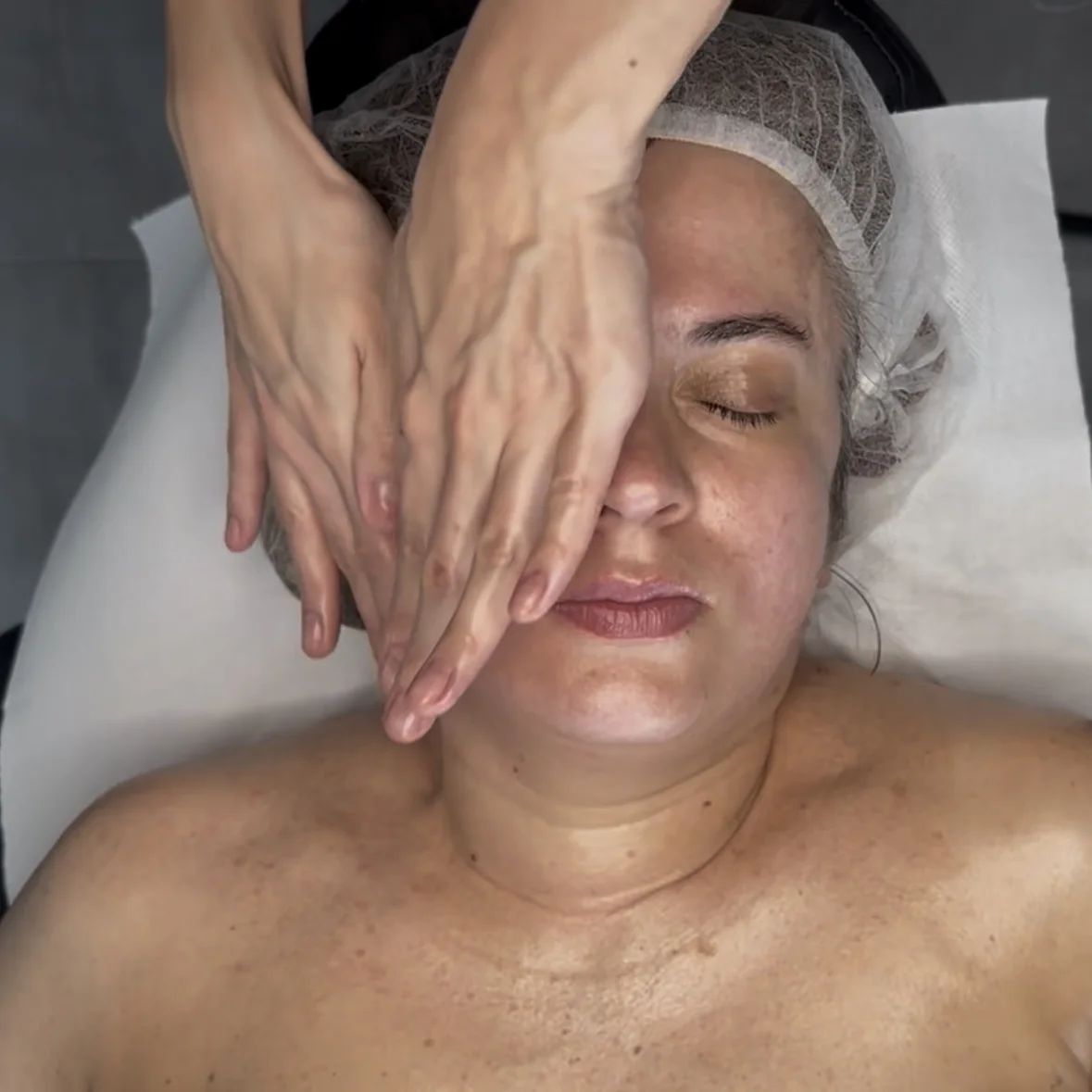
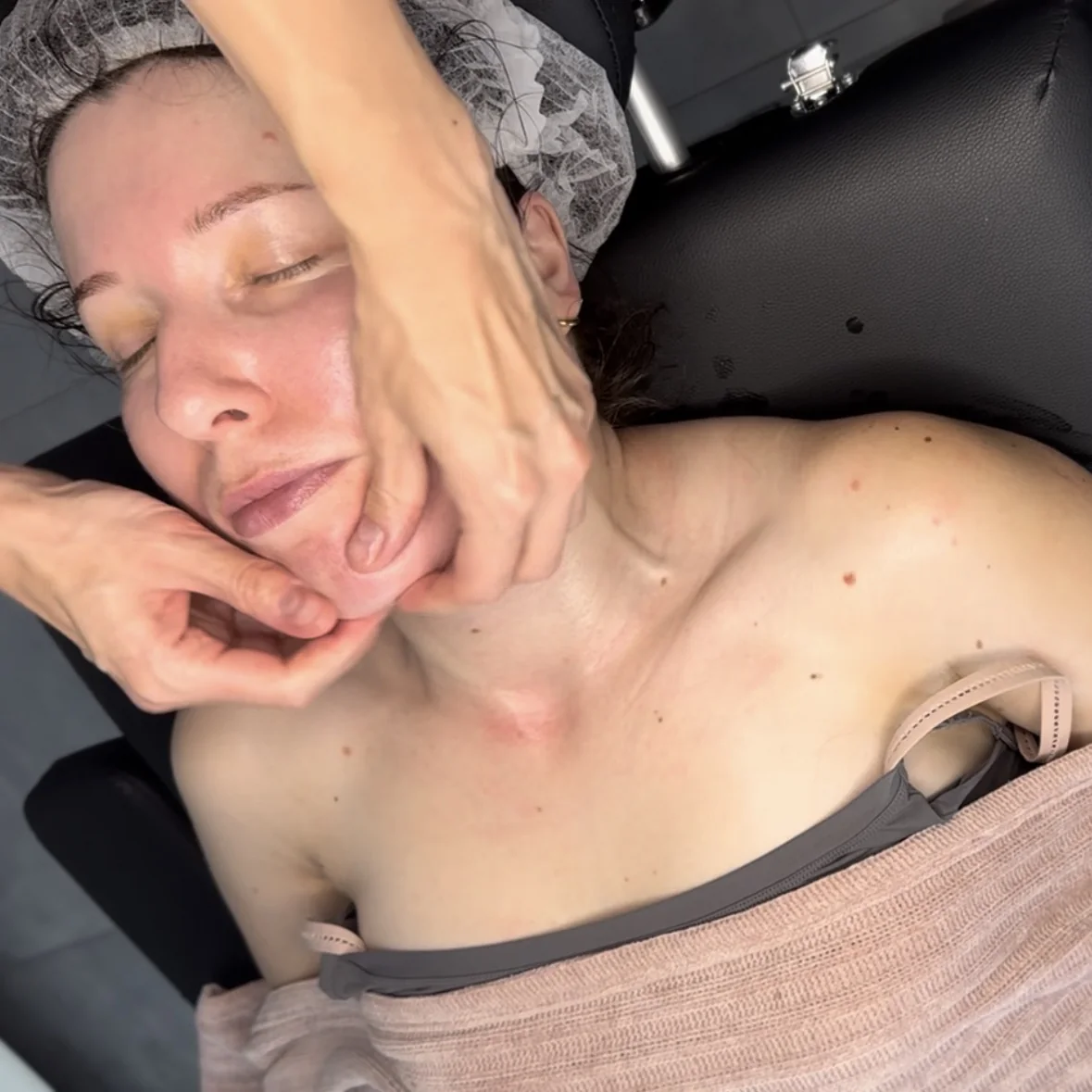
Kobido is an intensive manual facial massage. It combines slower relaxing movements with faster work, kneading and focused manipulation of selected areas of the face, neck and décolletage. Its main purpose is to reduce the sensation of tension, improve comfort and create a fresher appearance without breaking the skin.
In my own practice, I most often see a temporary reduction in puffiness, relaxation of a tense jaw and a more rested appearance. I do not present Kobido as a substitute for medical treatment or as a way to permanently alter facial anatomy. For details of the appointment, see the Japanese Kobido massage service page.
What does research actually say about facial massage?
There is little research specifically on Kobido, so findings from rollers, self-massage or massage devices should not automatically be applied to it. A small 2018 study found that five minutes of roller massage temporarily increased blood flow in the cheek skin. In another preliminary study of only five people, CT imaging showed small changes in cheek-tissue position after two weeks of self-massage.
These findings are interesting, but the samples were small and the techniques differed from Kobido. They do not prove permanent lifting or facial remodelling. It is more accurate to treat massage as a treatment that may improve comfort and appearance for a period of time; the result depends on anatomy, tension, puffiness, skin condition and individual response.
Want to know whether Kobido suits your skin and expectations? See the visit, expected effects, price and contraindications.
Moments from treatments I performed at SkinCareWithMargo. The photographs show real manual work rather than a promised result for every person.
When do I refuse to perform Kobido?
From my own experience, people with numerous actively inflamed acne lesions or very reactive, burning and red skin sometimes try to book Kobido. In that condition, I decline an intensive massage. Strong pressure and friction may increase irritation, pain and inflammation, so the treatment could do more harm than good.
We first calm the skin, organise the home routine, consider a calming treatment or - in the case of severe acne, nodules or cysts - I recommend seeing a dermatologist. The American Academy of Dermatology also advises gentle care of acne-prone skin and warns that scrubbing and rubbing can worsen breakouts.
I also postpone treatment in the presence of active infection, herpes, fresh wounds and immediately after procedures that require tissue healing. Qualification always takes place before the massage. If the skin condition is uncertain, the correct first step is a skincare consultation; making a booking does not guarantee that the treatment will be performed.
Kobido for oily and comedone-prone skin
Oily skin does not automatically rule out Kobido. I assess the number of comedones, active inflammation and the product used for slip. Massage itself does not necessarily clog pores, but heavy or comedogenic products may be unsuitable for blockage-prone skin. NICE acne guidance recommends avoiding oily and comedogenic preparations.
From my own practice: if I see excess sebum and congested pores, after assessing the skin I may include manual cleansing or a suitable gentle chemical peel in the treatment plan. I do not add another procedure automatically or perform it on actively irritated skin. The order and interval depend on the skin's response rather than a fixed package.
Is one treatment enough?
After one visit, the face may look more rested and the client may feel less tension. I do not promise the same result or a fixed duration for everyone. Regular visits make it easier to observe the tissue response and adjust intensity, but there is no strong evidence defining one “ideal” Kobido series for all clients. I create the plan individually and adjust it according to the skin's response.
Are Kobido and microneedling the same?
No. Kobido is manual work and does not break the skin. Microneedling creates controlled microchannels and serves different purposes, so it requires separate qualification and recovery. The two treatments are not interchangeable. To compare procedures that target skin quality, read Microneedling or chemical peel? or see the microneedling service page.